What Active Learning Means to Me
Active learning is often described as “getting students involved,” but this week’s reading reminded me that it’s really about how learning is designed. Students aren’t just busy, they’re actively constructing understanding through meaningful tasks. What stood out to me most in Models of Active Learning is that technology and multimedia don’t automatically make learning active. Without thoughtful design, they can easily become distractions rather than supports.
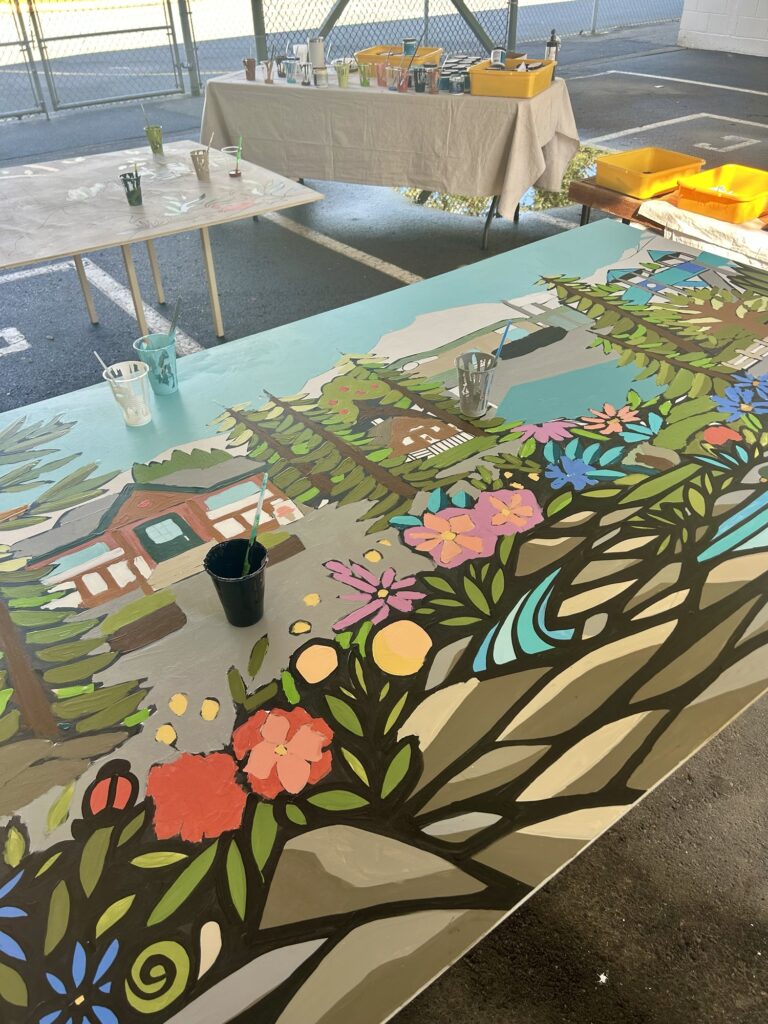
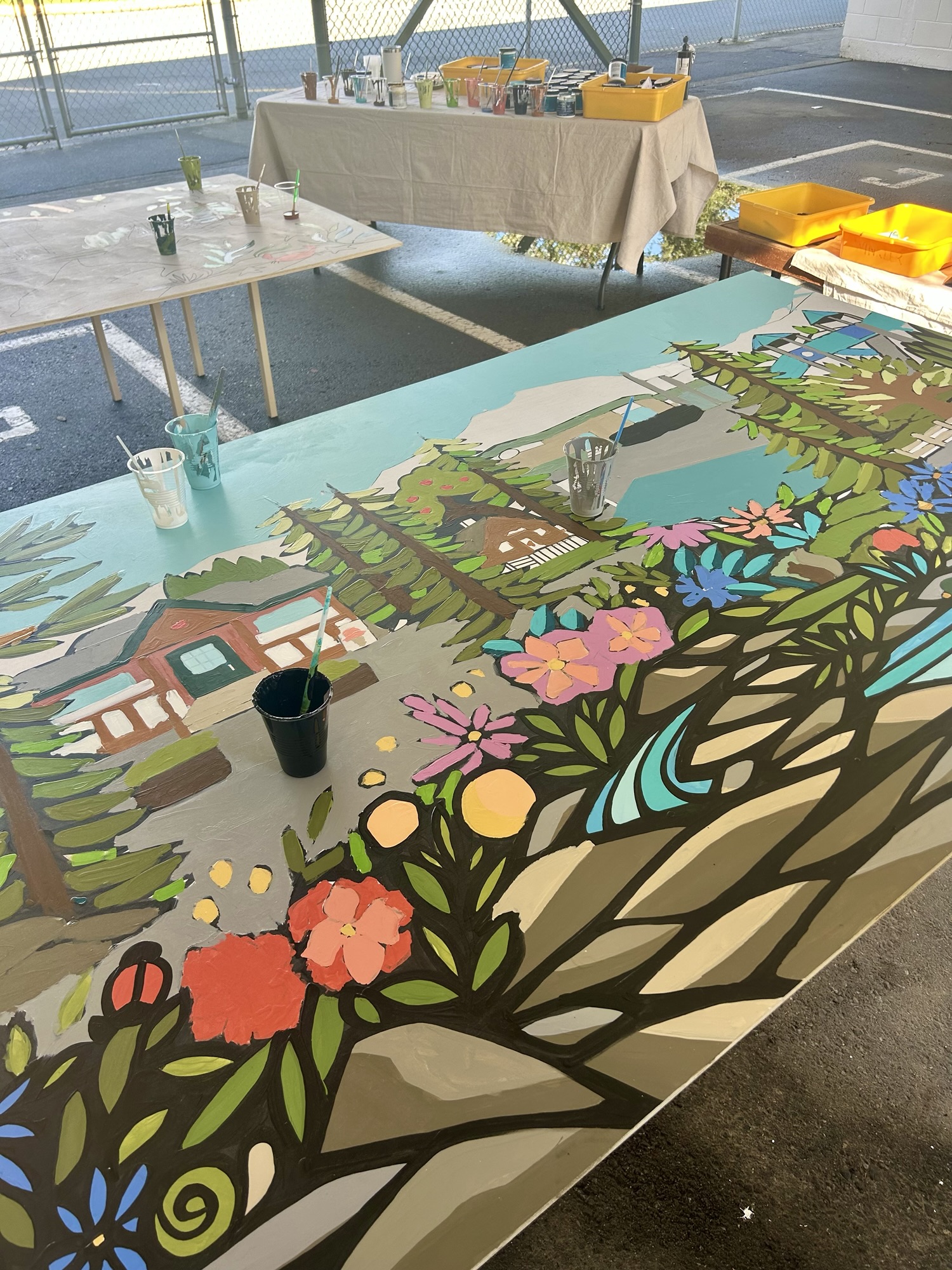
The photo above is from my final practicum, where every student in the class had the chance to collaborate and engage hands-on while creating this mural.
Multimedia Without Video Games
I don’t have personal experience with video game-based learning, but I do see many of the same learning principles reflected in everyday classroom technologies. Tools like short instructional videos, interactive slides and digital whiteboards often align with Mayer’s multimedia principles, especially signaling and segmenting. When information is broken into smaller chunks and key ideas are clearly highlighted, students are more likely to stay focused and understand what matters.
In terms of Merrill’s First Principles of Instruction, I see demonstration and application used most often. Students watch a model, then try something similar themselves; though, I have noticed that integration is often missing. Students complete tasks but aren’t always given time to reflect, explain their thinking or connect their learning to real-world contexts. That reflection piece feels essential for learning to really stick.
Designing an Authentic Problem
If I were designing a lesson using Merrill’s principles, I’d start with a real problem that students can see and care about, something like improving sustainability or inclusivity in their school. Students could begin by identifying a problem (too much waste, limited accessibility, lack of outdoor learning spaces), then explore examples through photos or short videos from other schools.
For example, the YouTube video below on inquiry-based learning shows students actively asking questions, investigating ideas and making decisions, making the concept of “doing” tangible and illustrating how collaboration and problem-solving bring learning to life. From there, students could work in groups to design a solution using drawings, simple models or digital planning tools. Multimedia would support this process rather than lead it; students might document their ideas with photos, create a short video explanation or design a digital poster to share their proposal. These tools help students communicate their thinking and reflect on their choices, which connects directly to active learning.
Alignment That Actually Makes Sense
One thing I appreciate about this course is the clear constructive alignment between readings, learning outcomes and assignments. We aren’t just reading about theory, we’re expected to apply it in reflective, meaningful ways. I’ve taken other courses where the connection between content and assessment felt unclear, which often led to surface-level learning. When backward design is done well, the learning feels purposeful rather than performative.
Enhancing Historia With Multimedia
I really liked the Historia example because it proves that active learning doesn’t need to be high-tech. Students are already making decisions, analyzing information and discussing outcomes. Thoughtful multimedia could enhance this by adding interactive maps, primary source images or short audio clips representing different historical perspectives. These additions would allow students to explore context and consequence more deeply, without changing the core inquiry-based structure.
Why “Doing” Still Matters
The reading Students Need to DO Something strongly resonated with my own K-12 experiences, where passive learning was often the norm. I think active learning isn’t more common because it requires time, flexibility and a willingness to let students take the lead. In my own teaching, even small shifts, like hands-on investigations, collaborative problem-solving or student-created representations have made a noticeable difference. This week reinforced for me that when students are actively doing, thinking and reflecting, learning becomes deeper and far more meaningful.